You Could Be Putting Your Dog at Risk Every Day Without Realising it
A simple timing mistake that can lead to avoidable health problems
If you feed your dog just before a walk, or straight after one, this is for you.
These are two of the most common mistakes I see as a dog walker. Not because owners don’t care, but because nobody ever told them it matters.
It does.
This isn’t about being dramatic or overcautious. It’s about understanding how a dog’s body works and avoiding problems that are completely preventable.
Why feeding and walking too close together causes problems
When a dog eats, their body switches into digestion mode. Blood flow is directed to the stomach and intestines so food can be processed properly.
If you then take that dog out for a walk, or feed them immediately after they get back, you’re asking their body to juggle digestion and activity at the same time. Add excitement, pulling on the lead, or play, and that strain increases.
Common issues linked to poor feeding timing include:
• Nausea
• Vomiting
• Loose stools
• Excessive panting
• General discomfort
In larger or deep-chested dogs, there’s also the risk of bloat (GDV). This is a serious medical emergency where the stomach fills with gas and can twist. When it happens, it can escalate very quickly.
Signs of GDV (Bloat) in Dogs You Should Never Ignore
GDV rarely starts with dramatic collapse. It often starts quietly, which is why it’s missed.
Early signs can include:
• Restlessness or pacing
• Repeated attempts to vomit or retch with nothing coming up
• Excessive drooling or foamy saliva
• A tight or swollen-looking abdomen
• Whining, lip licking, or repeatedly looking at their stomach
• Sudden anxiety or inability to settle
As it progresses, symptoms can escalate to:
• A visibly distended, drum-tight stomach
• Rapid breathing or panting
• Pale gums
• Weakness or collapse
• Signs of pain when touched
If you ever see these signs, it is an emergency. GDV will not resolve on its own, and waiting can cost valuable time.
Dogs that are considered higher risk
Bloat (GDV) is most commonly seen in large, deep-chested breeds. Chest shape matters more than weight.
Breeds most often associated with bloat include:
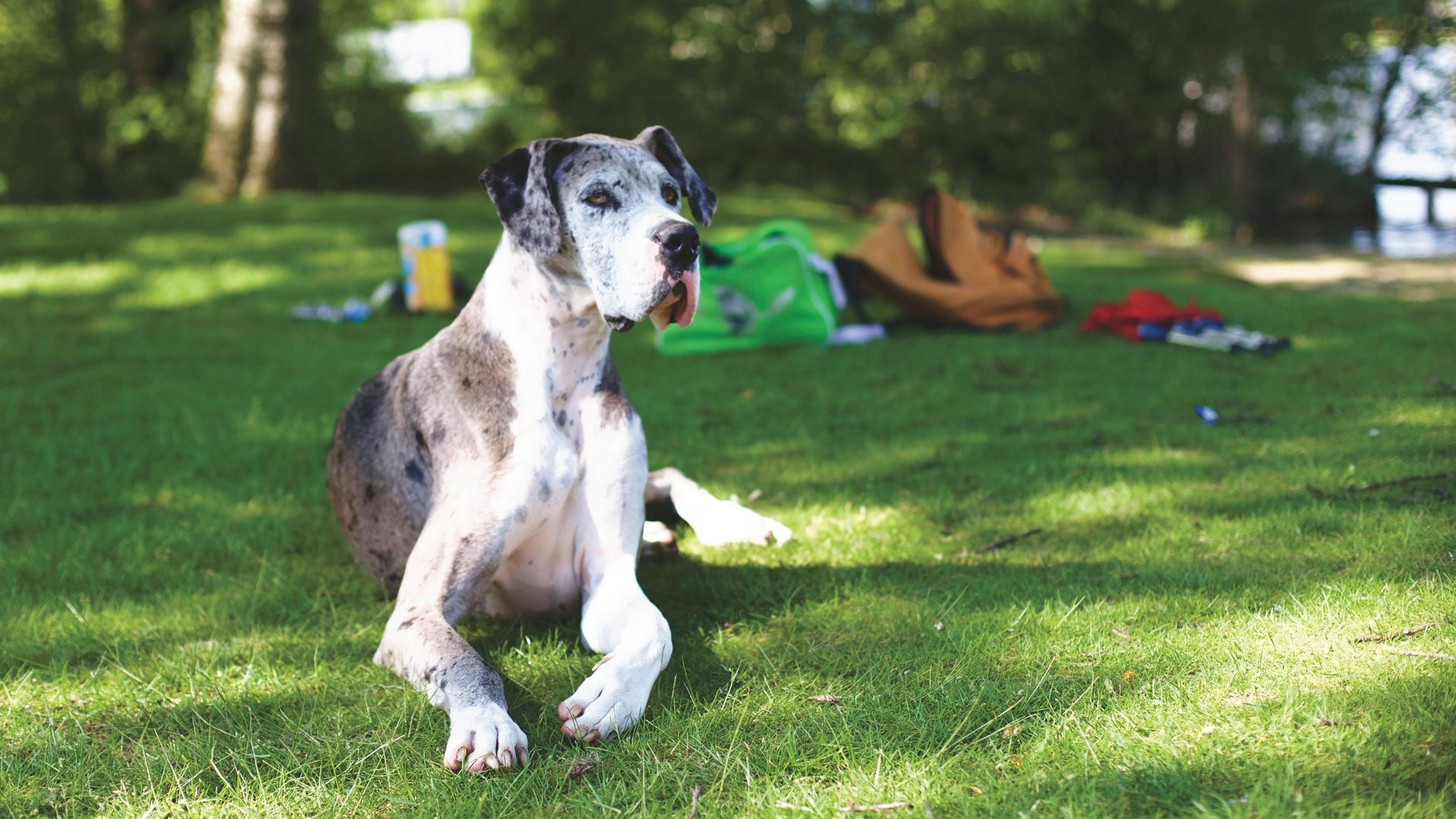
• Great Danes
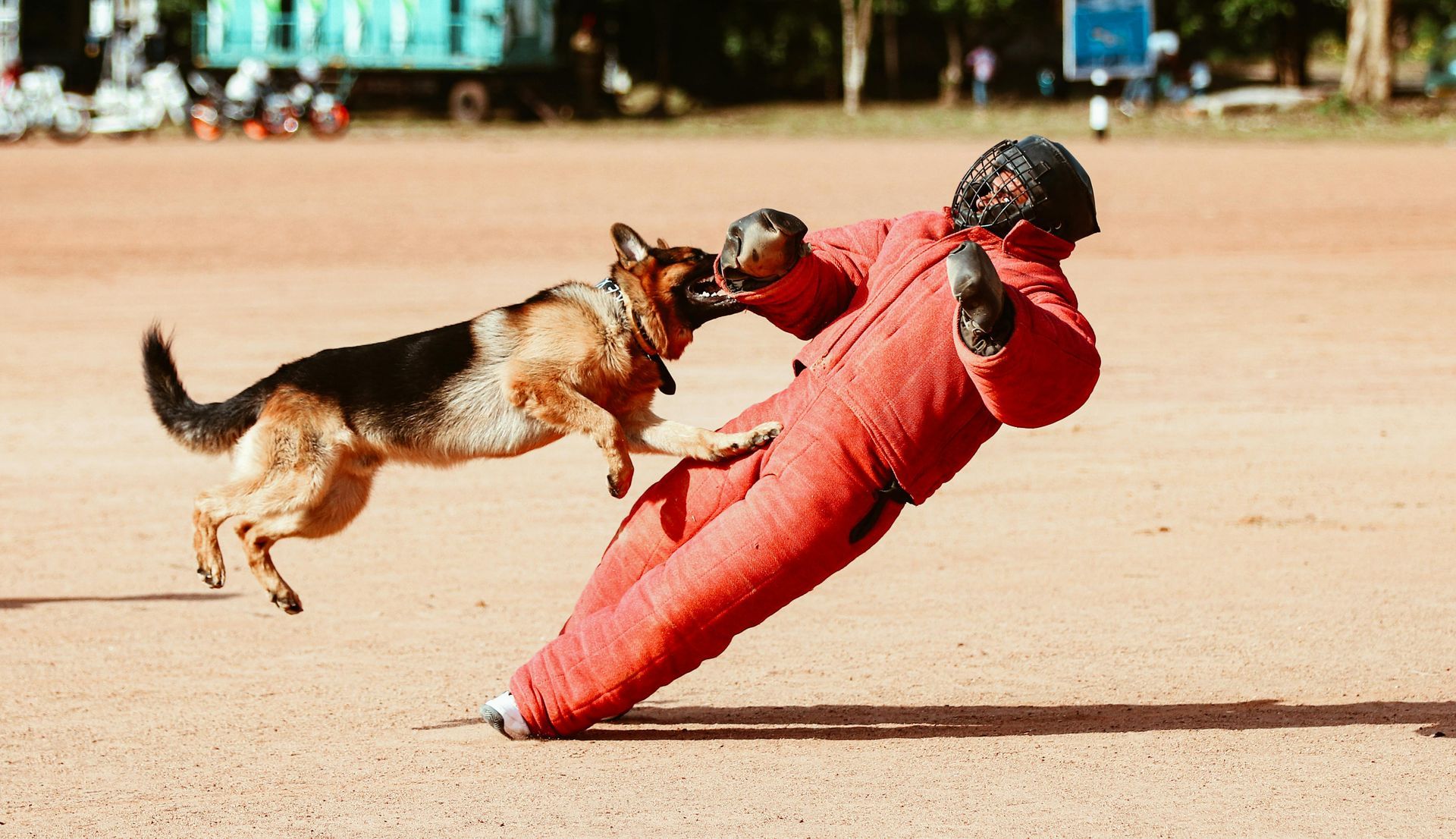
• German Shepherds
• Dobermans
• Standard Poodles
• Weimaraners
• Irish Setters
• Gordon Setters
• Boxers
• Akitas
• Bloodhounds
• Greyhounds and other sighthounds
Even dogs that aren’t considered “high risk” don’t benefit from feeding and exercising back-to-back. It’s unnecessary stress on the body.
How long should you wait after feeding before a walk?
People want a clear answer, so here it is.
• After a small meal: wait at least 1 hour
• After a full meal: wait 1.5 to 2 hours
If your dog is large, deep-chested, older, prone to digestive issues, or gets very excited on walks, longer is safer.
High arousal, pulling, spinning, and rough play all increase pressure inside the abdomen. That’s not something you want happening while food is being digested.
Why feeding straight after a walk isn’t ideal
After a walk, especially one that’s stimulating, your dog’s heart rate and adrenaline levels are still elevated. They’re warm, excited, and often over-aroused.
Feeding immediately can lead to:
• Gulping food too quickly
• Digestive upset
• Increased bloat risk in susceptible dogs
A short wind-down makes a big difference.
What actually works best in real life
This routine keeps things simple and avoids unnecessary strain on your dog’s body:
• After feeding:
Wait at least 1 to 2 hours before any walk, depending on the size of the meal and your dog’s individual needs.
• After a walk:
Allow at least 30 minutes of calm time before feeding. This gives your dog time to cool down, settle, and return to normal breathing.
During that post-walk wind-down, offer small amounts of water and let your dog relax. Once they’re calm, then feed.
Digestion needs calm. So does recovery.
“My dog’s always been fine”
Maybe. And hopefully they stay that way.
But many dogs cope with poor routines for years before something goes wrong. That doesn’t make the routine safe. It just means the dog has been lucky.
Good care isn’t about luck. It’s about reducing risk where you can.
The simple takeaway
• Don’t walk your dog straight after a meal
• Don’t feed your dog straight after a walk
• Build calm time on both sides
Small change. Big difference.