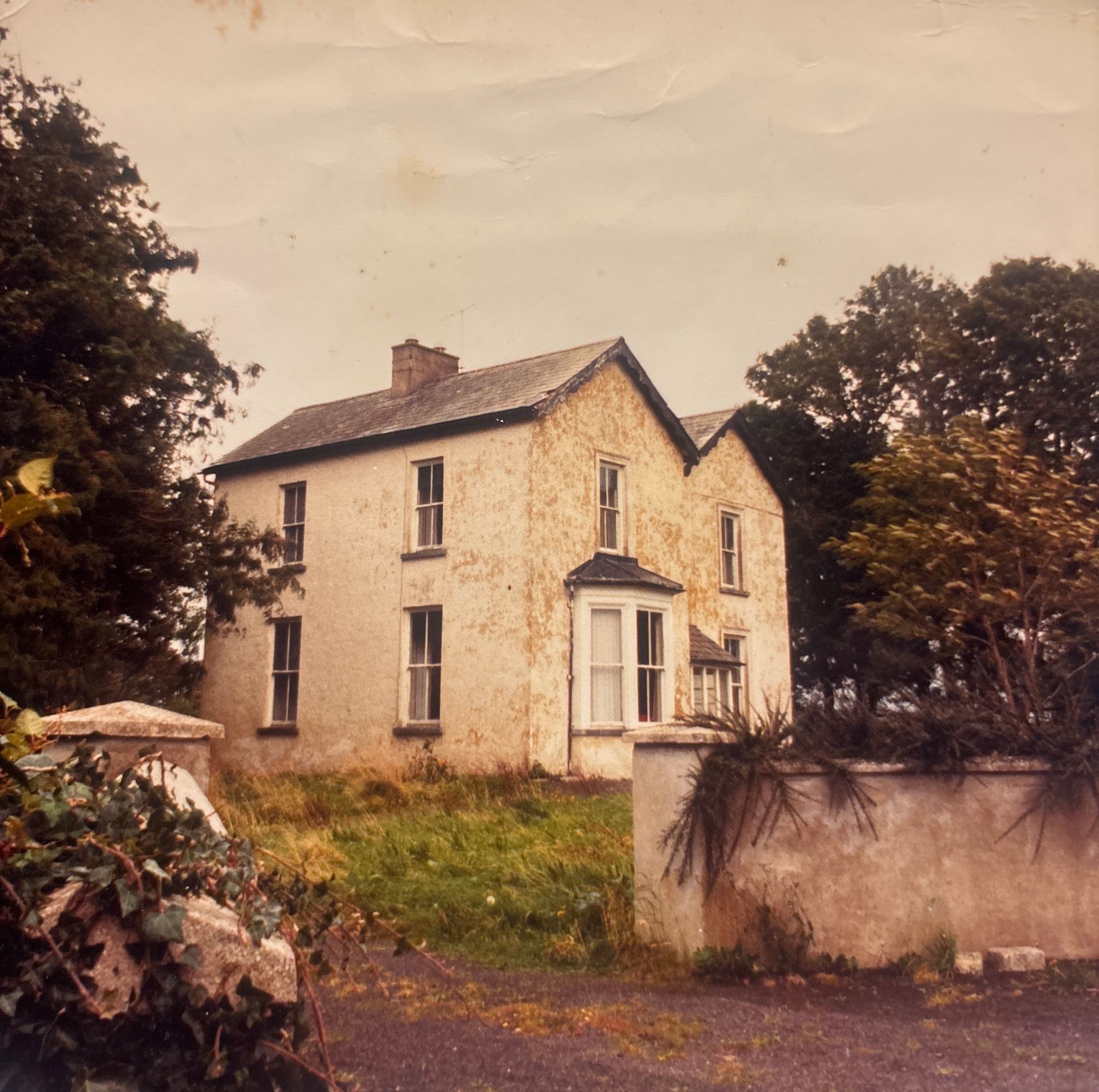
Dromin Lodge
Brave Enough, Or Mad Enough
It’s coming up to Mum’s birthday and three years since she’s been gone.
Grief doesn’t shout the way it does at the beginning. It settles into certain dates. You think you’re fine, and then a birthday approaches and everything feels closer again.
I found myself pulling out her photo albums the other day. She loved taking pictures. Birthdays. Bad haircuts. Ordinary days she must have known were anything but ordinary.
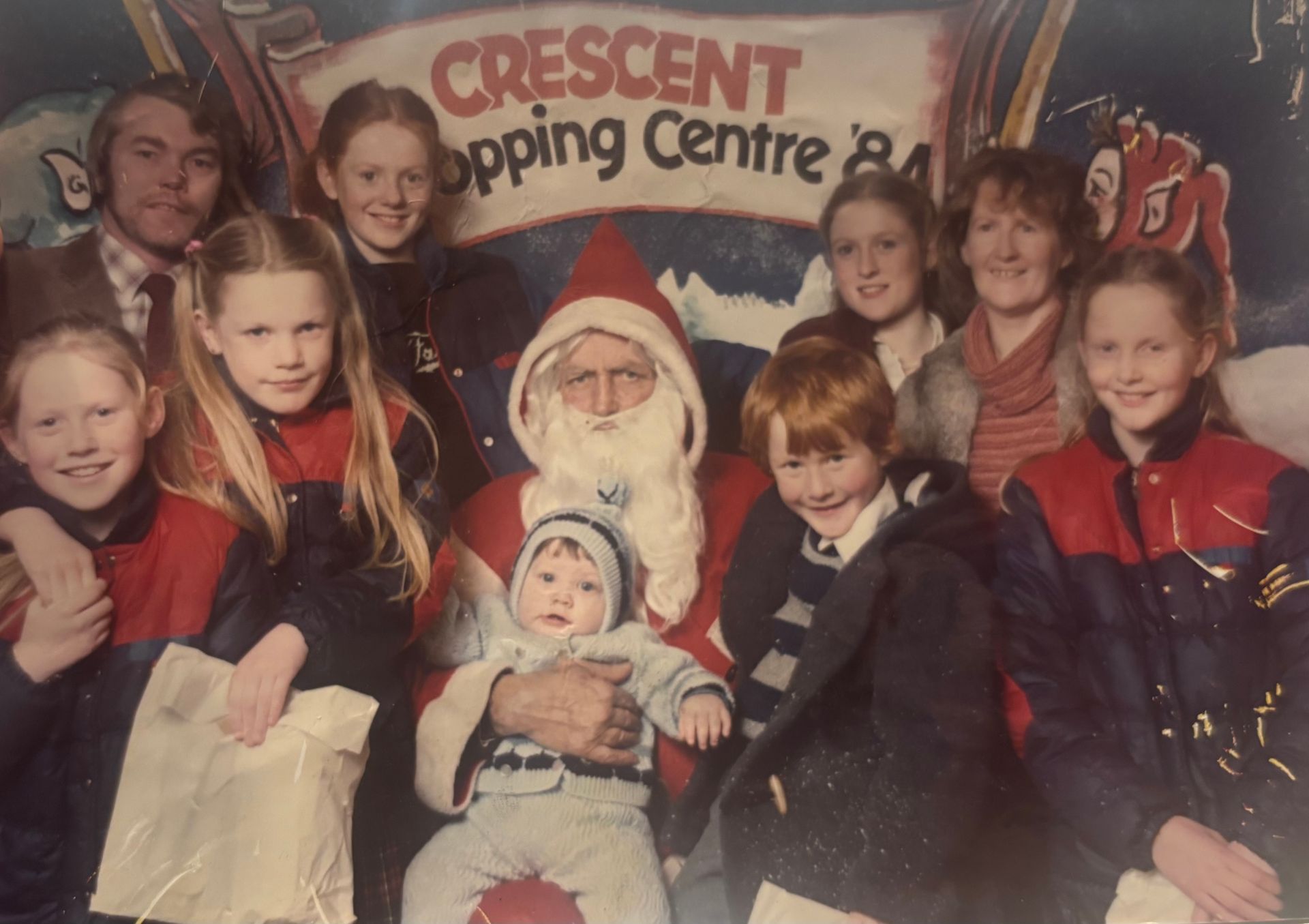
In the photographs she’s still here. Smiling. Holding a baby on one hip. Dad beside her, sleeves rolled up. Six wild-looking children scattered around them.
They’re both gone now.
And it’s a strange thing, reaching an age where the people who built your world aren’t in it anymore. You still feel like their child. There’s just no one left to call you that.
I’m renovating at the moment myself, so I understand now what that kind of stress feels like. The cost. The mess. The jobs that never end. The things that go wrong at the worst time.
Back then, I had no idea what they were carrying.
Six children.
A crumbling old country house called Dromin Lodge.
Land they didn’t fully understand.
Animals they were still learning about.
No safety net.
Looking at those photos now, I don’t see chaos.
I see courage.
When my parents decided we were leaving the city and moving to the middle of nowhere, I don’t think any of us truly understood what that meant. They had no farming background. No grand plan. Just a belief that if you worked hard enough, you’d figure it out.
So off we went.
I remember seeing the house for the first time, it looked huge compared to our terrace in the city. Not grand. Just big. Worn. Weather-beaten.
Inside, everything echoed. The windows rattled when the wind picked up.
And it was quiet.
It was exciting.
Then there was the mud.
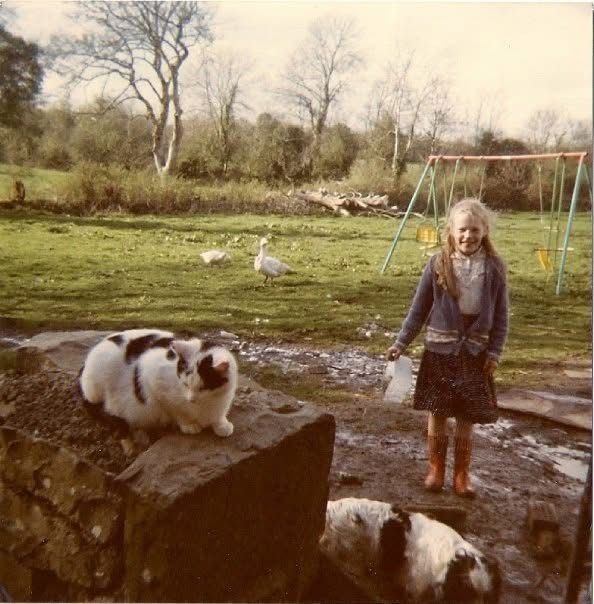
Proper Irish countryside mud. The thick, swallow-your-wellies kind. You didn’t walk through it. You negotiated with it. It was tiring work.
Then the animals arrived.
First hens.
Then cows and calves.
Geese with no respect for personal space.
Goats.
Horses.
Cats. More cats.
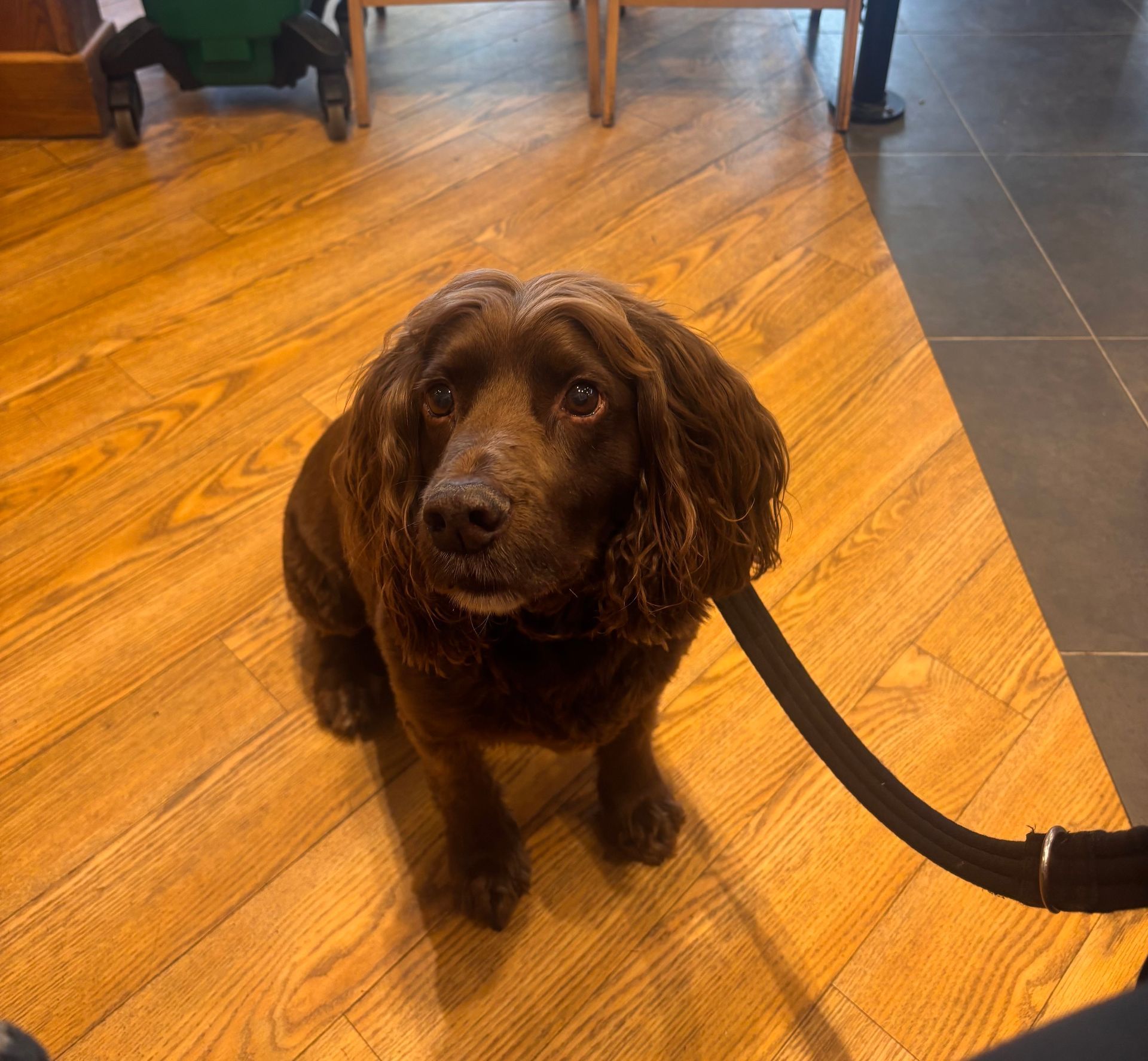
Dogs.
And somewhere in the middle of all that, my little brother arrived too.
There was no gentle settling-in period. Animals don’t wait. Babies don’t wait either. Things needed feeding. Things needed cleaning. Things needed fixing.
All of it happening at once.
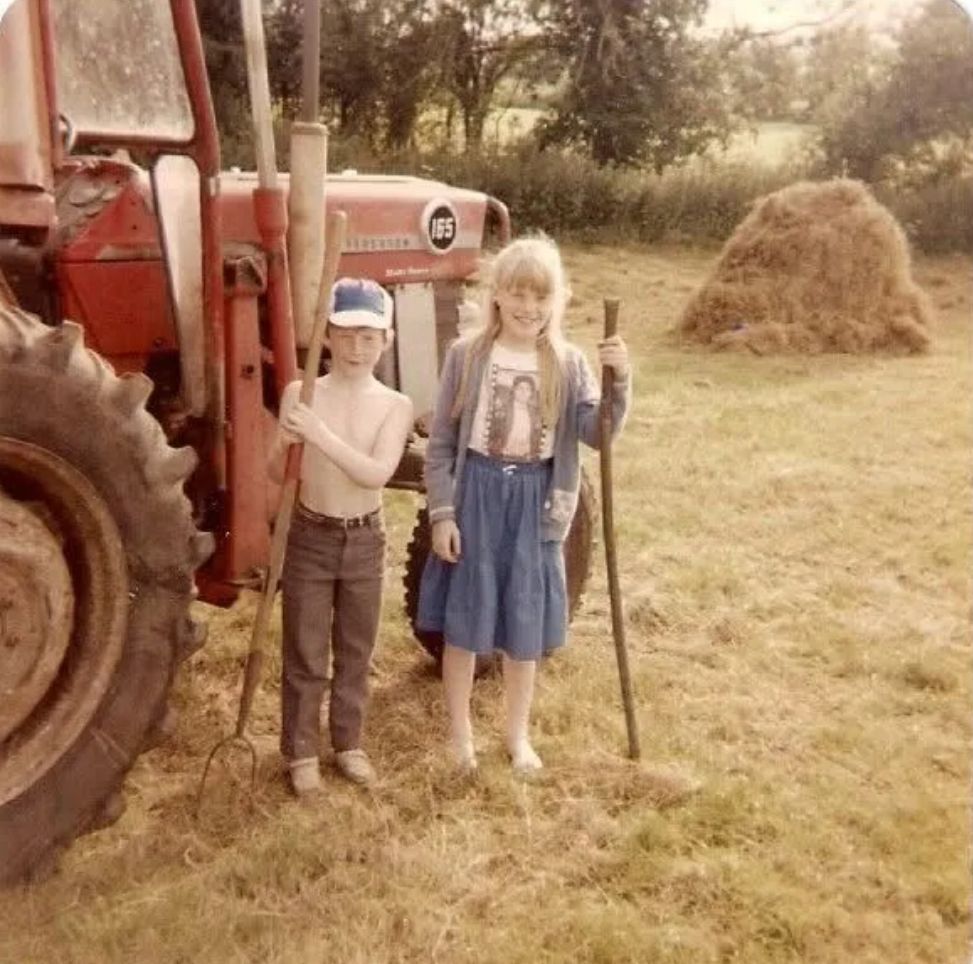
In summer, when the hay had to be made, the neighbours would appear.
We didn’t have the machinery you see now. Or maybe it existed somewhere, just not for us. For us it was a trailer, forks, sweat, and a race against the weather.
Getting the bales onto the back of the trailer felt like a breaking mission. You lifted. Passed. Stacked. Again and again. Your arms burned. Your back ached.
And the neighbours helped.
Turning up because that’s what you did. If your hay needed lifting, people came. If theirs needed lifting, you went.
We didn’t pop out for milk.
We milked cows. And goats.
We learned something early. Food didn’t just appear.
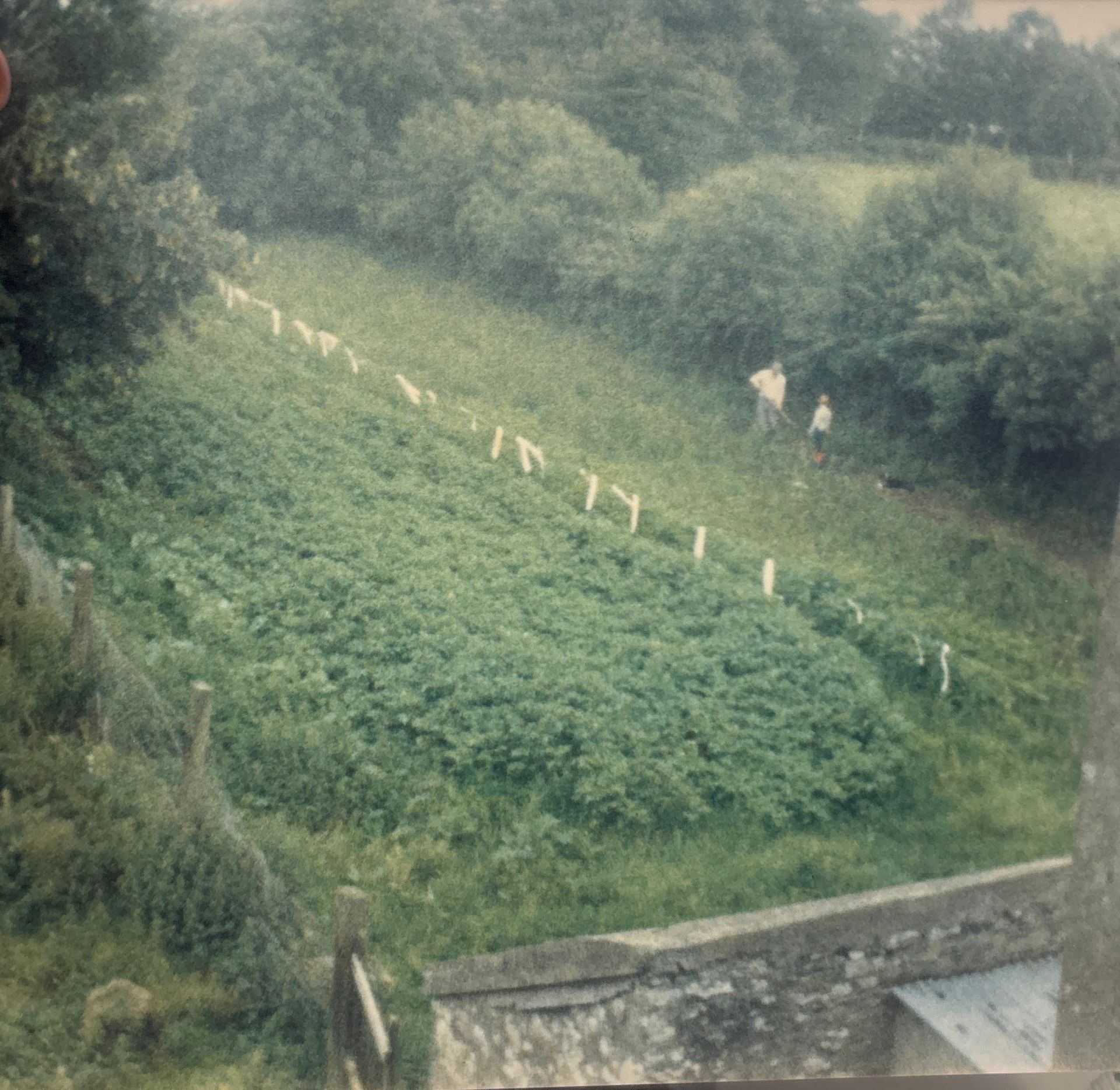
Someone worked for it. Planting spuds sounds lovely when you say it quickly.
It isn’t.
Long rows. Bent backs. Cold fingers. Rain that doesn’t care how old you are or how tired you feel. Picking them later wasn’t any easier. Lifting. Carrying. Sorting.
We moaned.
But we did it.
As the years went on, the farm changed. And so did I.
I wasn’t the wide-eyed child anymore. I was a teenager. Which meant opinions. Independence. And occasionally very bad timing.
There were nights I’d come home too late.
The house would be pitch dark. That heavy country quiet. I’d creep up with small pebbles in my hand, aiming carefully at my sister’s bedroom window.
Tap.
Pause.
Tap again.
Sometimes it worked.
Sometimes it didn’t.
And on the nights she didn’t wake up, I’d make my way down to the hay barn. My bed for the evening.
It wasn’t the soft golden dream people imagine. It was itchy. It got in your hair, your clothes, your mouth. It smelled sweet and dusty and slightly damp all at once.
But it was warm.
Looking back now, through Mum’s photographs, I see things differently.
I see Mum smiling at the camera when she must have been shattered.
I see children who thought it was all normal.
Because they made it feel normal.
That’s what I understand now.
They didn’t wait until they felt ready.
They didn’t wait for guarantees.
They just chose the life and worked for it.
Dromin Lodge wasn’t perfect.
It was cold. Chaotic. Relentless at times.
But it shaped us.
At the time, it felt like we’d moved to the edge of the world.
Now I see it differently.
We weren’t lost in the middle of nowhere.
We were right in the middle of the making of us.