Reading the Room Has Always Been My Strongest Skill
How emotional intelligence shapes the way I work with dogs and people
This way of working matters most for dogs who are sensitive, easily overstimulated, or don't thrive in busy group walks.
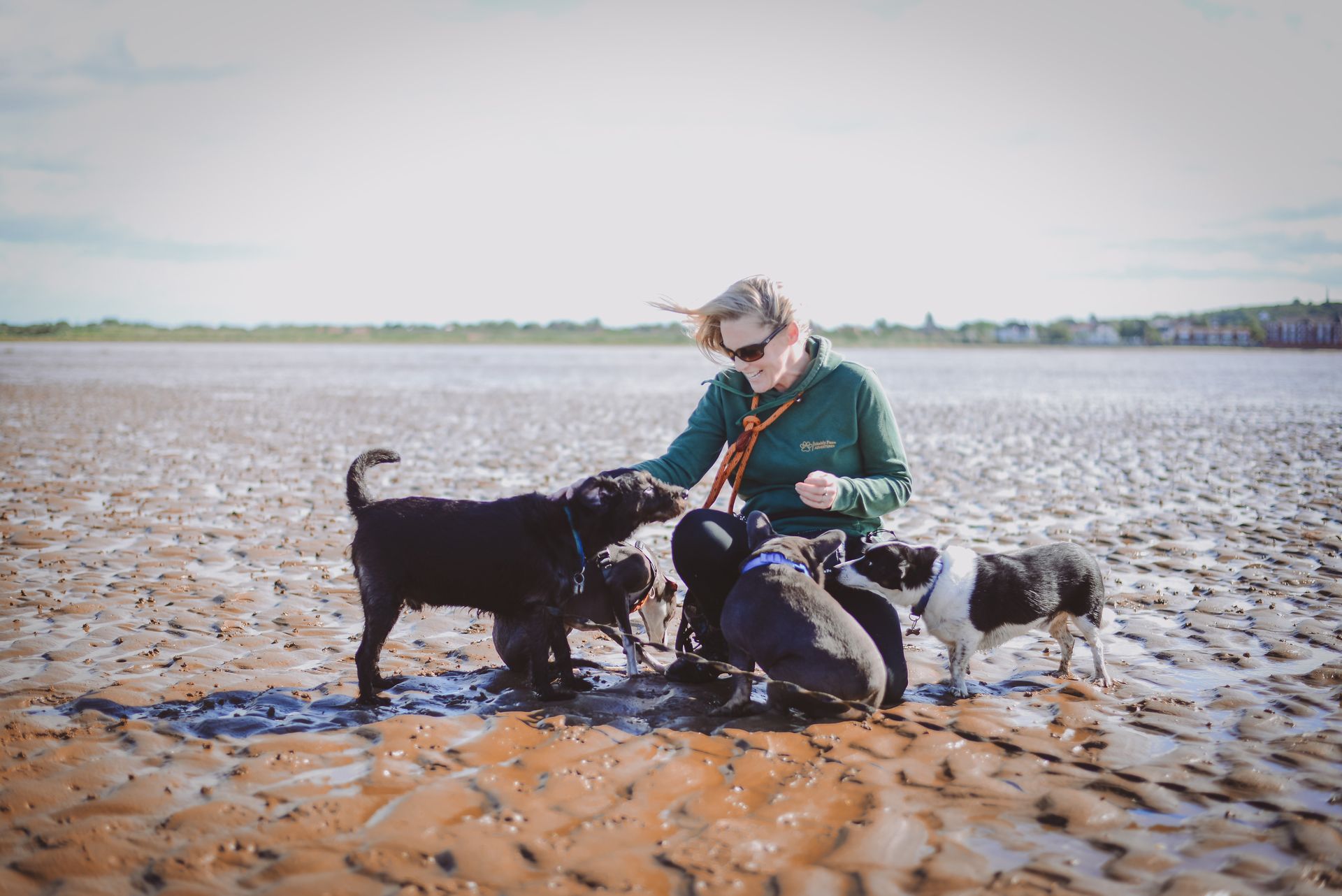
I've never been the most academic person, and I’m comfortable admitting that. Exams, heavy theory, and trying to sound clever have never really been my thing. For a long time, I assumed that meant I was missing something important.
It took me a while to realise I wasn’t missing it. I was just wired differently.
I have always been good at reading a room.
I notice atmosphere quickly. When something feels unsettled, tense, or slightly off, even if everything looks fine on the surface. I pick up on body language, pacing, tone, and energy without consciously trying to. I don't sit there analysing it. I just feel it, and I adjust.
For years, I thought that made me overly sensitive. Too affected by what was going on around me. Now I see it as awareness. And once I stopped fighting it, it became one of my biggest strengths.
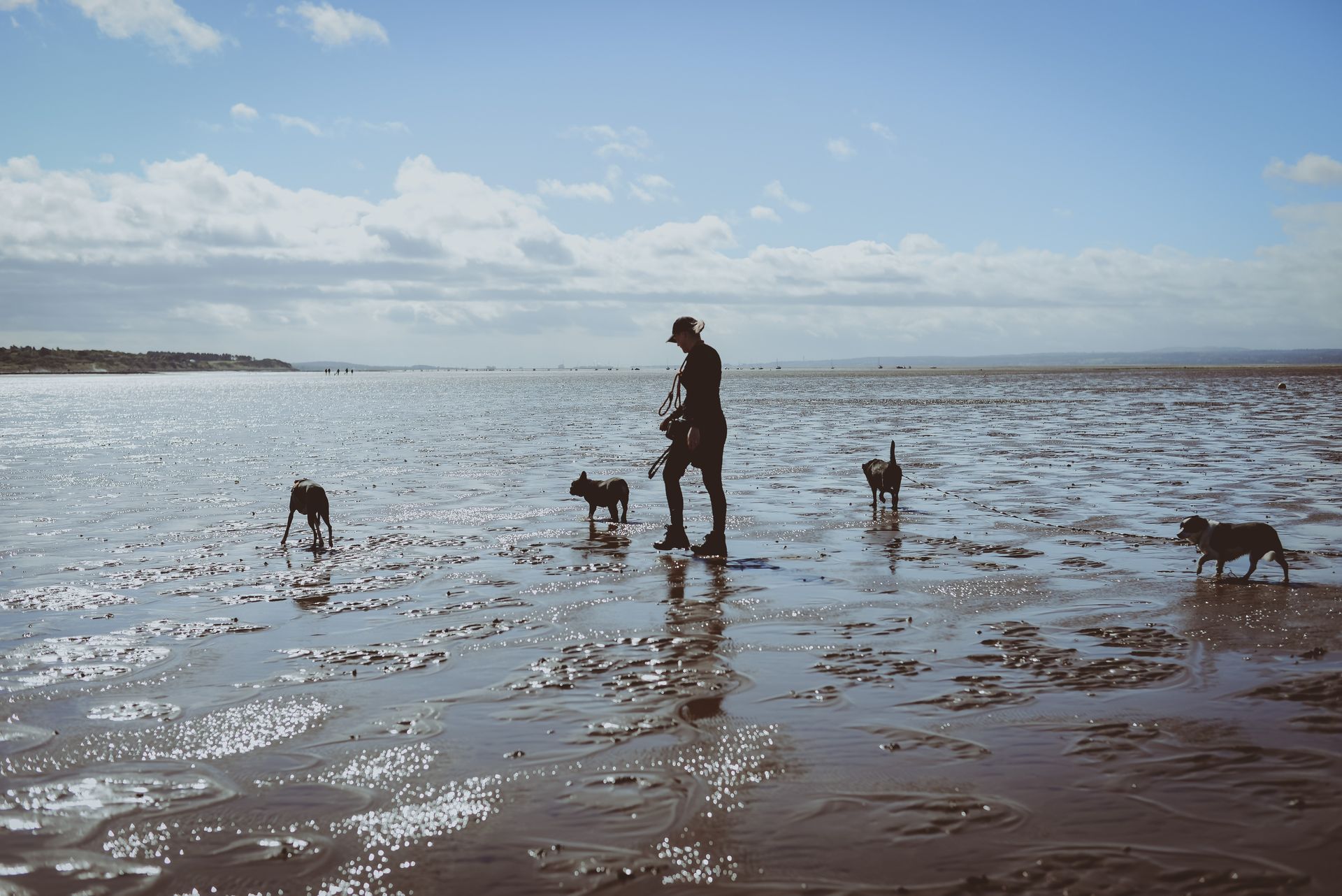
Dogs communicate in ways that aren’t always obvious. Through posture, movement, breathing, and small changes in behaviour that are easy to miss if you're only looking for the big stuff. They tell you how they’re coping long before anything turns into a “problem”.
Most of the time, it's subtle.
I can usually sense within minutes whether a dog is settled or just getting through things. Whether they’re excited or actually overstimulated. Whether something small is quietly building that needs attention rather than pressure.
I don’t wait for things to escalate before I respond.
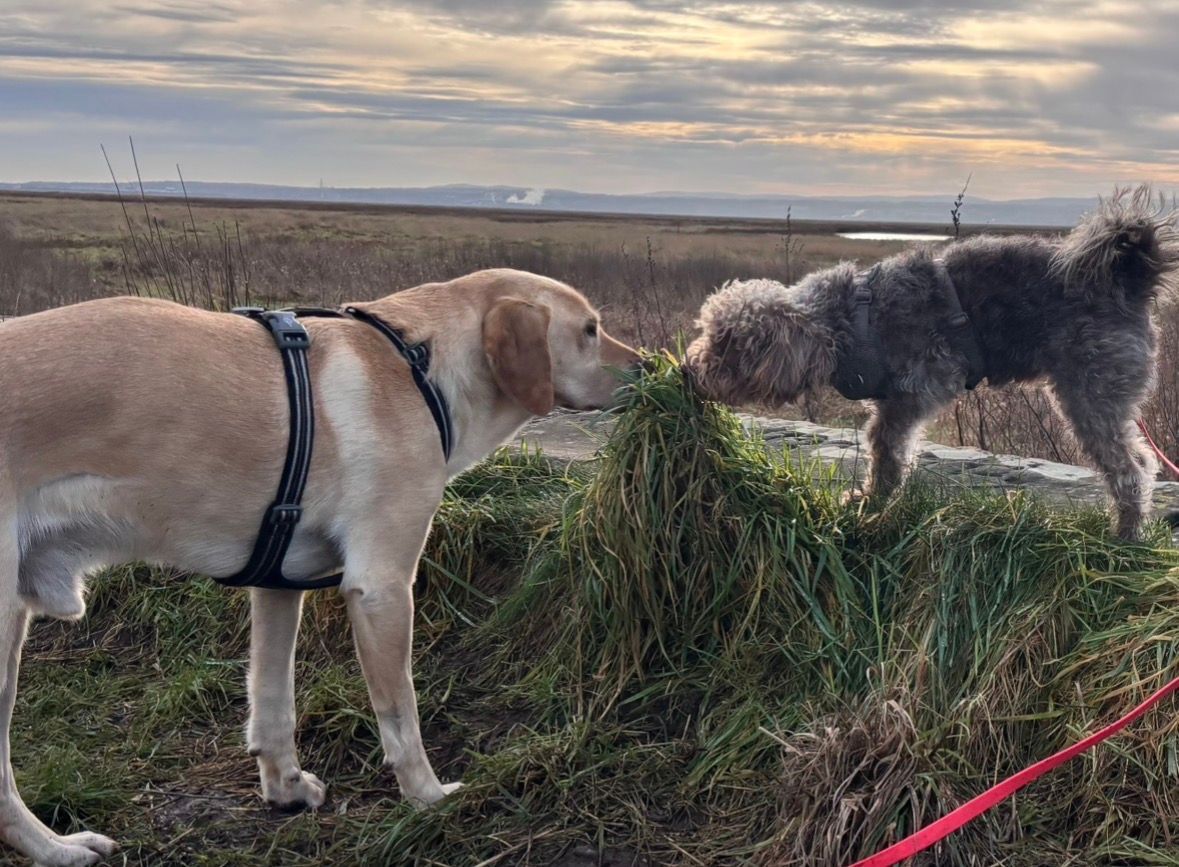
This way of working feeds directly into our Structured walks, which are led by Lauren and designed for dogs who need calm, consistency, and support in real -world walking situations.
Most of the time, that response looks like doing less. Slowing the walk. Creating more space. Saying fewer words. Letting things settle instead of pushing for progress.
The same awareness applies to people. Owners often share more through hesitation, or tone. I can usually tell when someone is trying their best but feels unsure, overwhelmed, or quietly worried they’re doing something wrong.
That shapes how I work. I slow things down when needed. I remove pressure where I can.
Emotional intelligence, to me, isn’t about being the cleverest person in the room. It’s about paying attention. About noticing how situations feel and responding with care and calm.
I’ve learned that rushing usually makes thing harder. Overstimulation creates stress. And forcing progress often sets things back. Calm, consistency, and small adjustments usually get better results in the long run.
I’ve also come to understand why calm matters so much to me personally. Loud, chaotic environments drain me. Constant pressure and reactivity don’t bring out my best. I don’t see that as a weakness anymore. I see it as information that helps me make better decisions.
The world feels more rushed and less patient than it used to. I notice that shift, and I try not to add to it. I value listening over being right, understanding over certainty, and creating space rather than filling it.
I may not be the most academic person in the room, but I can read the room. I can sense when something needs slowing down, when pressure needs lifting, and when quiet support matters more than clever answers.
That ability has shaped how I work and how I show up.
It took time, and I still have to remind myself sometimes, but I've learned to trust it.